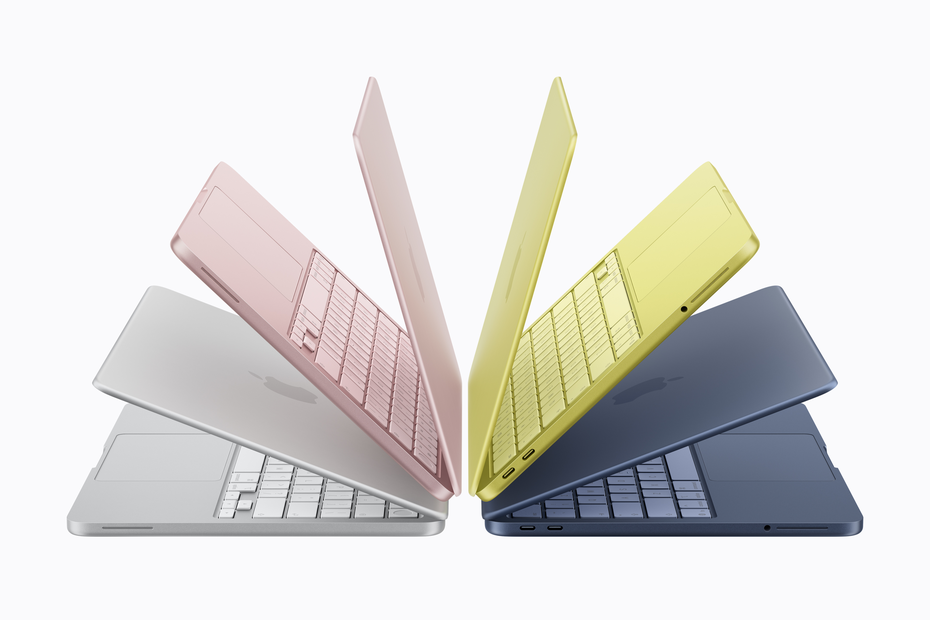
The newly‑unveiled MacBook Neo gives budget‑conscious buyers a real Apple laptop for around $599, but the entry‑level iPad 11 (2025) paired with the Magic Keyboard Folio lands at almost the same price, turning the tablet into a credible competitor for on‑the‑go work and creativity.
If raw performance is the priority, the Neo pulls ahead. It packs Apple’s A18 Pro mobile chip – the same silicon that powers the iPhone 16 Pro line – while the iPad 11 runs the older A16 from the iPhone 15 generation. The Neo also ships with 8 GB of RAM versus the iPad’s 6 GB, and the base model offers 256 GB of storage compared with the iPad’s 128 GB. For anyone who needs a solid productivity machine without leaning on iCloud for every file, macOS and the extra storage make the Neo the clear winner.
When it comes to portability, the iPad has a slight edge. The tablet itself weighs just 477 g, though the Magic Keyboard Folio adds a bit of bulk, bringing the combined weight to roughly 1.36 kg. The Neo sits at 1.23 kg, so the difference isn’t dramatic, but the iPad’s footprint is smaller – 0.7 × 24 × 18 cm versus the Neo’s 1.3 × 30 × 20 cm – and its 11‑inch screen feels more pocket‑friendly than the Neo’s 13‑inch display. The keyboard folio also doubles as a protective case, giving the tablet a bit more ruggedness for travel.
Port selection and battery life tip the scales toward the Neo for power users. The laptop offers two USB‑C ports (one USB‑3, one USB‑2) and a 3.5 mm headphone jack, meaning you can charge, plug in an external drive and listen to music all at once. The iPad provides just a single USB‑C port, so an adapter becomes a necessity for most setups. Apple claims the Neo can stream video for up to 16 hours, while the iPad manages about 10 hours under the same load.
Software differences are just as decisive. macOS delivers a full desktop environment with support for complex workflows, multi‑window multitasking and a wide range of professional apps. iPadOS, by contrast, leans heavily on simplicity and a touch‑first experience; it excels at quick tasks, single‑app focus and on‑screen typing, but many apps offer a stripped‑down feature set compared with their desktop counterparts. Users who prefer a mouse or trackpad will feel at home on the Neo, whereas the iPad’s touch interface (with optional mouse support) caters to those who value direct interaction.
Hot take: despite its lower price tag, the Neo actually outperforms the iPad in real‑world productivity, making it the smarter choice for anyone who still needs a laptop‑class experience without breaking the bank.
In the end, there’s no outright winner. The iPad 11 shines as a compact, easy‑to‑carry tablet that handles basic tasks, email and light content consumption with grace – perfect for students, frequent flyers or anyone who likes to travel light. The Magic Keyboard Folio gives decent typing comfort but works best at a desk.
The MacBook Neo, on the other hand, feels more like a traditional laptop: larger screen, more ports, longer battery life and the robustness of macOS for demanding workloads such as file management, photo or audio editing, and extended typing sessions on laps or desks alike.
Both devices sit on a broader family of higher‑end options – the premium MacBook Pro 5 Pro and the larger iPad Air M4 – so buyers who want more power or a bigger display have a clear upgrade path. Ultimately, the decision comes down to whether a touchscreen‑first tablet or a full‑featured laptop better fits the user’s daily workflow.

Gladstone is a tech virtuoso, boasting a dynamic 25-year journey through the digital landscape. A maestro of code, he has engineered cutting-edge software, orchestrated high-performing teams, and masterminded robust system architectures. His experience covers large-scale systems, as well as the intricacies of embedded systems and microcontrollers. A proud alumnus of a prestigious British institution, he wields a computer-science-related honours degree.