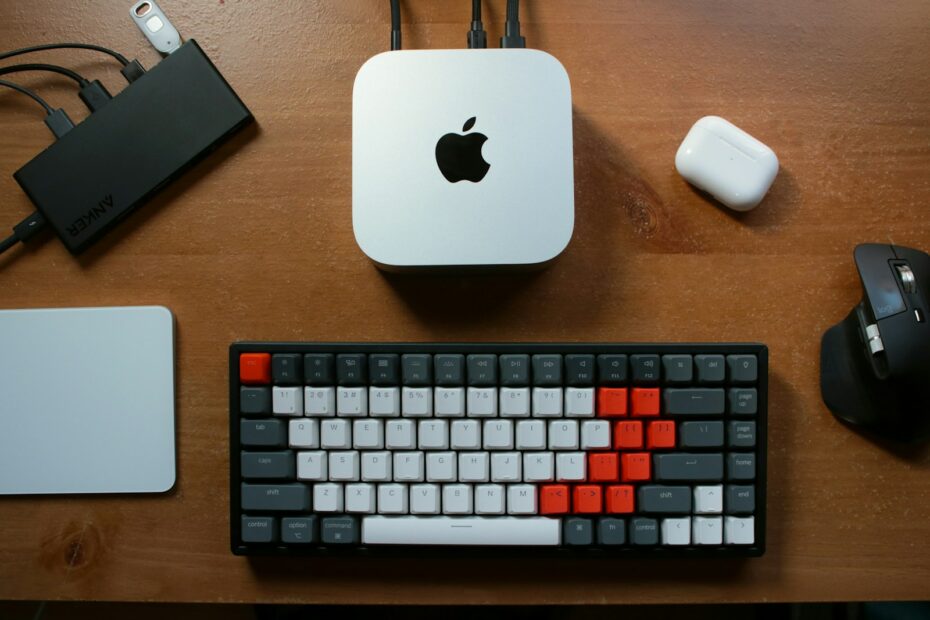
Already, the Houston facility is churning out advanced AI servers, complete with logic boards that are fabricated on‑site. Those servers feed Apple’s data centers across the country, and the company has been shipping them ahead of schedule since 2025. Adding the Mac mini to the mix means the same high‑precision manufacturing infrastructure will now handle both data‑center hardware and consumer desktops.
But Apple isn’t stopping at assembly lines. The firm is also investing heavily in the people who run them. A 20,000‑square‑foot Advanced Manufacturing Center will open later this year, offering hands‑on training in the very techniques used to build Apple products. Students, supplier workers, and small‑to‑medium U.S. manufacturers will have the chance to learn from Apple engineers and keep the domestic supply chain humming.
Since committing $600 billion to U.S. manufacturing last year, Apple and its partners have already hit a string of milestones: sourcing more than 20 billion U.S.–made chips, launching new silicon wafer and packaging facilities in Texas, Arizona, and Kentucky, and expanding a manufacturing academy in Detroit that now serves over 130 small businesses. Each of these steps tightens the company’s grip on its supply chain and underlines a clear intent—reduce reliance on foreign plants and build resilience from the ground up.
Hot take: Apple’s push into domestic production isn’t just a PR‑friendly job‑creation story; it’s a calculated gamble to corner the tech supply chain. By keeping critical components and final assembly in the U.S., Apple is effectively locking out competitors who still depend on overseas fabs. The ripple effect could mean higher prices for consumers, but for Apple, the payoff is a supply chain that’s less vulnerable to geopolitical shake‑ups and more controllable from design to delivery.
In short, the Houston expansion signals a new era for Apple—one where the company is no longer willing to let its flagship products be at the mercy of global logistics. For tech veterans watching the shift, it’s a clear sign that the days of outsourcing everything are fading, and the future of hardware may well be built right at home.
Via Apple accelerates U.S. manufacturing with Mac mini production

Gladstone is a tech virtuoso, boasting a dynamic 25-year journey through the digital landscape. A maestro of code, he has engineered cutting-edge software, orchestrated high-performing teams, and masterminded robust system architectures. His experience covers large-scale systems, as well as the intricacies of embedded systems and microcontrollers. A proud alumnus of a prestigious British institution, he wields a computer-science-related honours degree.